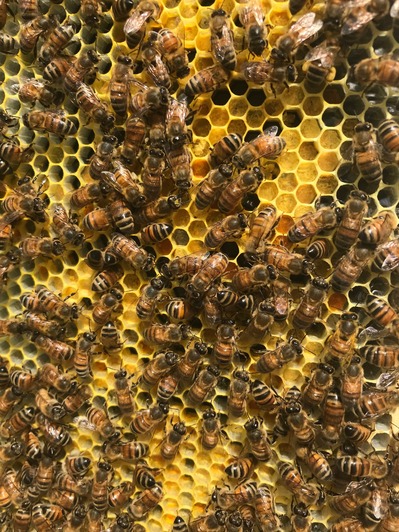
Honey Bee Life Cycle
- Egg: The life cycle begins when a queen bee lays eggs in the hexagonal wax cells of the hive. Each egg is tiny, about the size of a pinhead, and is usually laid in a cell that has been prepared by worker bees. The eggs hatch after about three days.
- Larva: Once the eggs hatch, the larvae emerge and are fed by worker bees. They are initially fed royal jelly, a nutrient-rich substance, and later receive a diet of honey and pollen. During this stage, the larvae grow rapidly, shedding their skin multiple times. This larval stage lasts about six days.
- Pupa: After the larval stage, the bees enter the pupal stage. The worker bees cap the cells with wax, creating a sealed environment. Inside the cell, the larva undergoes metamorphosis, transforming into an adult bee. This stage lasts about 12 days for worker bees and slightly longer for drones and queens.
- Adult: Once the metamorphosis is complete, the adult bee chews its way out of the cell. Worker bees typically live for several weeks to a few months, while drones (males) live for a few weeks and queens can live for several years. Adult bees take on various roles within the hive, including foraging for nectar and pollen, caring for the young, and maintaining the hive.